
You’ve got a brilliant website, engaging content, and products or services that genuinely help people. Yet somehow, most of your visitors slip away without a trace, never to return. Sound familiar?
On average, 96% of the people who visit a website will leave without ever converting to a lead or sale. This means that for every 100 people who show interest in what you offer, only 5 become actual leads you can nurture into customers.
The good news? There’s a solution!
Introducing… lead magnets.
These powerful tools transform interested visitors into leads, giving you the opportunity to build relationships and guide prospects towards becoming loyal customers.
What Are Lead Magnets?
Lead magnets are free, valuable resources you offer in exchange for someone’s contact information – typically their email address. Think of them as a fair trade: your visitor gets something immediately useful, whilst you gain permission to continue the conversation.
Why Lead Magnets Work So Well
The psychology behind lead magnets is rooted in the principle of reciprocity. When you provide genuine value upfront, people naturally feel inclined to reciprocate – in this case, by sharing their contact details and remaining open to future communication.
Unlike pushy sales tactics, lead magnets attract people who are already interested in what you do. They’re raising their hand and saying, “Yes, I’d like to know more about this topic,” which makes them significantly more likely to become customers.
Top Lead Magnet Types
Content-Based Lead Magnets
- Ebooks & Guides – Comprehensive resources that dive deep into specific topics. Perfect for complex subjects that require detailed explanation.
When to use: When your audience needs in-depth knowledge to solve their problems.
Example: “The Complete Guide to Small Business Tax Planning” for an accounting firm.
- Checklists & Cheat Sheets – Quick-reference documents that simplify complicated processes into actionable steps.
When to use: When your audience wants to ensure they don’t miss important steps.
Example: “New Homeowner’s Maintenance Checklist” for a property management company.
- Templates & Worksheets – Ready-to-use documents that save time and provide structure for important tasks.
When to use: When your audience needs to complete specific tasks or planning exercises.
Example: “Monthly Budget Planner Template” for a financial adviser.
Educational Lead Magnets
- Webinars & Mini-Courses – Live or recorded educational sessions that demonstrate your expertise whilst providing valuable learning.
When to use: When your topic benefits from visual demonstration or interactive elements.
Example: “5-Day Email Marketing Mini-Course” for a digital marketing agency.
- Video Tutorials – Step-by-step visual guides that show exactly how to accomplish specific tasks.
When to use: When your audience learns better through demonstration rather than text.
Example: “How to Set Up Google Analytics in 10 Minutes” for a web design company.
Tool-Based Lead Magnets
- Free Trials & Demos – Limited-time access to your paid products or services, allowing prospects to experience their value firsthand.
When to use: When your offering is best understood through direct experience.
Example: “14-Day Free Trial” for a project management software company.
- Calculators & Assessments – Interactive tools that provide personalised results based on user input.
When to use: When your audience needs customised insights or measurements.
Example: “ROI Calculator for Social Media Marketing” for a marketing consultancy.
Quick Creation Tips
- Identify your audience’s biggest pain point: Start by understanding what keeps your ideal customers awake at night. What specific problem do they need solved right now? Your lead magnet should address this immediate concern.
- Choose the right format for your solution: Match your format to both your audience’s preferences and the nature of their problem. Complex issues might need detailed guides, whilst quick wins work well as checklists.
- Create compelling titles that promise specific outcomes: Your title should clearly communicate the benefit someone will receive. Instead of “Marketing Tips,” try “7 Marketing Strategies That Generated £50K in New Business This Quarter.”
- Design for easy consumption: Keep your lead magnet scannable and actionable. Use headings, bullet points, and white space generously. If someone can’t extract value within 10 minutes, it’s too complex.
- Set up simple opt-in forms: Only ask for information you absolutely need – typically just name and email address. The fewer fields, the higher your conversion rate.
Your Next Steps
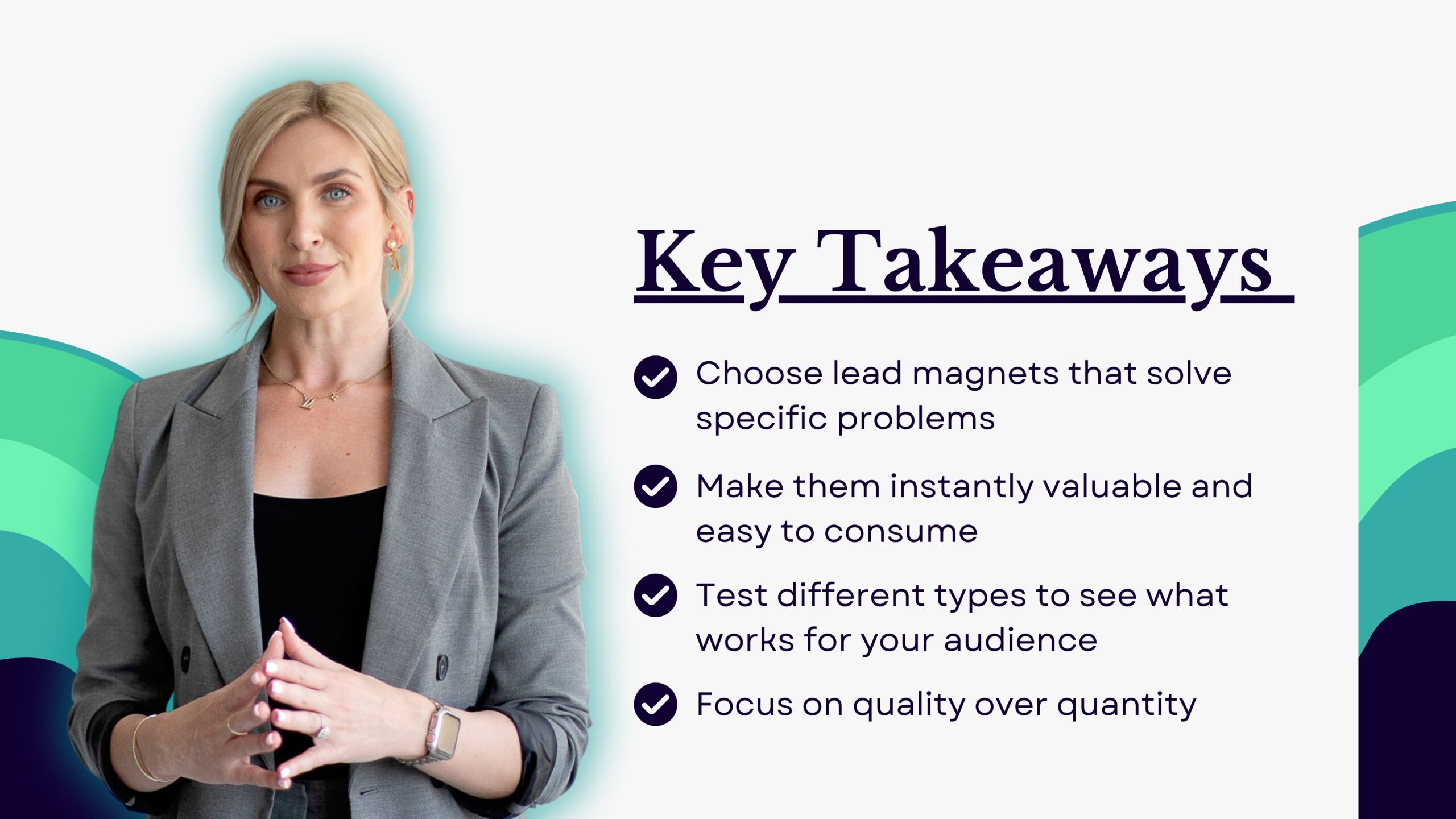
Don’t try to create every type of lead magnet at once. Start with one that aligns closely with your expertise and your audience’s most pressing need. Test it, measure the results, and refine based on what you learn.
Remember, the goal isn’t just to collect email addresses – it’s to begin meaningful relationships with people who could genuinely benefit from what you offer.
Ready to turn more website visitors into qualified leads, but don’t have the time to create lead magnets yourself? Get in touch and we’ll handle it.
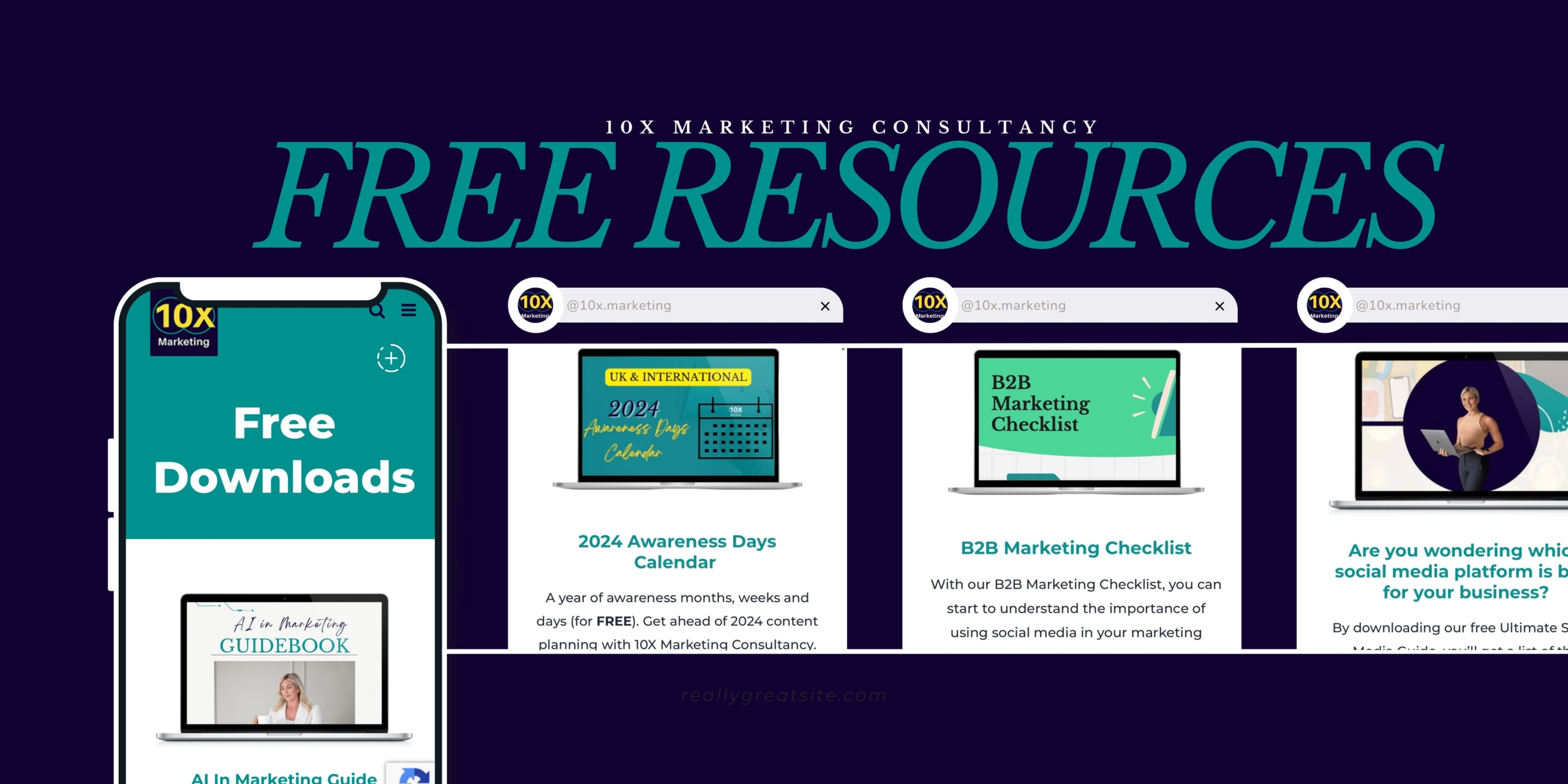
Browse our free downloads for more marketing tips and tricks.