Launching a new business is exciting, isn’t it?
That buzz of bringing your brilliant idea to life. But then reality hits, and getting noticed online can feel a bit like shouting into the void. How do you cut through the noise and actually connect with people?
Well, that’s where social media comes in. It’s not just for sharing holiday snaps; it’s a powerful tool for new businesses like yours. You can build your brand’s personality, chat directly with those early fans, get people clicking through to your website, and even build a proper community – all without breaking the bank!
This guide is all about organic social media strategies. That means we’re focusing on the free and clever ways to get your business seen and loved on social platforms.
Here’s what we’ll be covering:
- Strategy & Planning: Laying the groundwork for social media success.
- Crafting Engaging Content: Creating posts that people actually want to see.
- Building Your Community & Engaging Authentically: Making real connections with your audience.
- Optimising Your Presence for Organic Growth: Tweaking your profiles and content to get seen by more people.
Let’s get into it!
Strategy & Planning
Define Your Target Audience:
First things first, who are you actually trying to reach? Get specific! Think about their age, where they live, what they’re interested in, what keeps them up at night, and how they spend their time online.
Where do they hang out in the digital world? Are they scrolling through Instagram for visual inspiration, getting their professional fix on LinkedIn, or chatting in Facebook groups? Knowing this is key to choosing the right social media platforms.
Doing a bit of digging doesn’t have to be complicated. Have a think about your ideal customer. What websites do they visit? What kind of content do they engage with? You can even have a peek at what your competitors are doing and who’s interacting with them.
Choose the Right Platforms:
Resist the urge to be everywhere at once! It’s much better to focus your energy on 1-3 platforms where your target audience is most likely to be.
Here’s a quick look at some popular platforms and their strengths:
- Instagram: Brilliant for visually-driven brands (fashion, food, travel, design). Think stunning photos and engaging videos.
- LinkedIn: Ideal for B2B businesses, professionals, and sharing industry insights. Great for networking and building authority.
- Facebook: Still a powerhouse for building communities, running groups, and reaching a broad audience. Good for events and more conversational content.
- TikTok: Perfect for short-form, engaging video content and reaching a younger audience.
Develop Your Brand Voice & Tone:
What’s your brand’s personality? Are you friendly and approachable, the knowledgeable expert, or perhaps a bit quirky and fun?
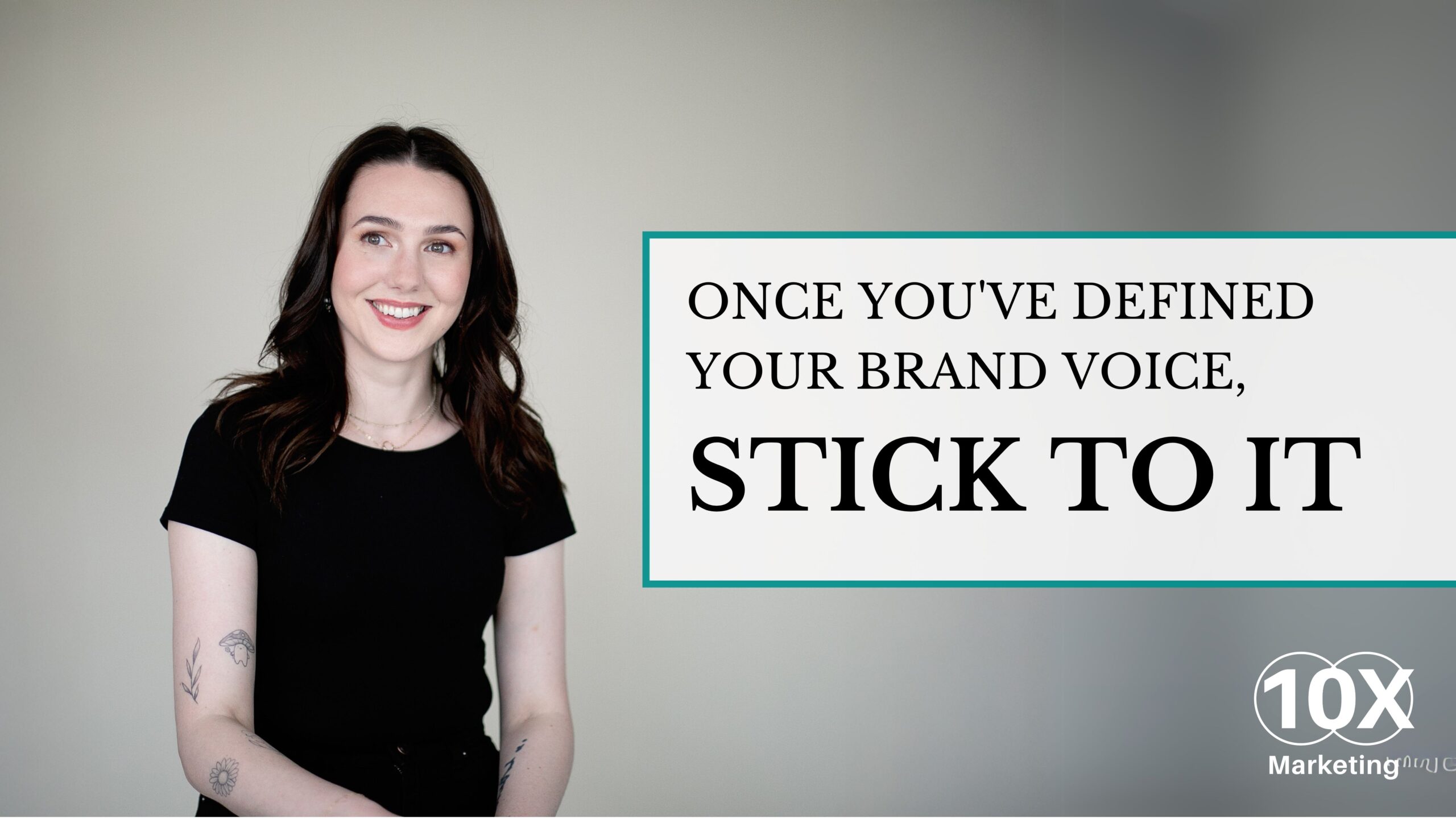
Consistency is absolutely crucial here. Once you’ve defined your brand voice, stick to it across all your social media posts, replies, and interactions. This helps people recognise and connect with your brand.
Crafting Engaging Content
Content Pillars:
Think of these as the main themes or topics that your social media content will revolve around. Having 3-5 core pillars will help you stay focused and create content that resonates with your audience.
Examples:
- Behind-the-scenes: Showcasing the people and processes behind your business.
- Product/service spotlights: Highlighting the features and benefits of what you offer.
- Educational content: Sharing tips, advice, or how-to guides related to your industry.
- Industry news: Keeping your audience informed about relevant developments.
- Customer stories: Sharing positive experiences from your happy customers.
- Q&A: Answering frequently asked questions and engaging directly with your audience.
- Content Formats:
Mix it up! Different people prefer different types of content, and variety keeps things interesting. Consider these formats for each platform:
- Images: High-quality photos are essential, especially on visual platforms like Instagram.
- Videos: From short, snappy clips to longer, more in-depth content, video is incredibly engaging.
- Stories: These short-lived posts (typically 24 hours) are great for behind-the-scenes glimpses and quick updates.
- Carousels: Allow you to share multiple images or videos in one post, perfect for telling a story or showcasing a range of products.
- Articles/Long-form posts: Platforms like LinkedIn allow for longer written content to share your expertise.
- Polls & Quizzes: Interactive content that encourages engagement and provides insights.
Building Your Community & Engaging Authentically
Consistent Posting Schedule:
Develop a realistic posting schedule that you can stick to. It’s better to post high-quality content a few times a week than to bombard your audience with low-quality posts every day.
While there are general guidelines for the best times to post on different platforms (e.g., mornings on weekdays for LinkedIn, evenings for Facebook), it’s important to experiment and see what works best for your audience.
Active Engagement:
Don’t just post and disappear! Make sure you’re actively responding to comments and messages promptly and thoughtfully. Participate in relevant conversations and communities on the platforms you’re using. Show genuine interest in your followers – they’ll appreciate it!
Building Relationships:
Engage with other relevant accounts in your niche. This could include influencers, complementary businesses, or potential partners. By interacting authentically, you can expand your reach and build valuable connections.
Optimising Your Presence for Organic Growth
Profile Optimisation:
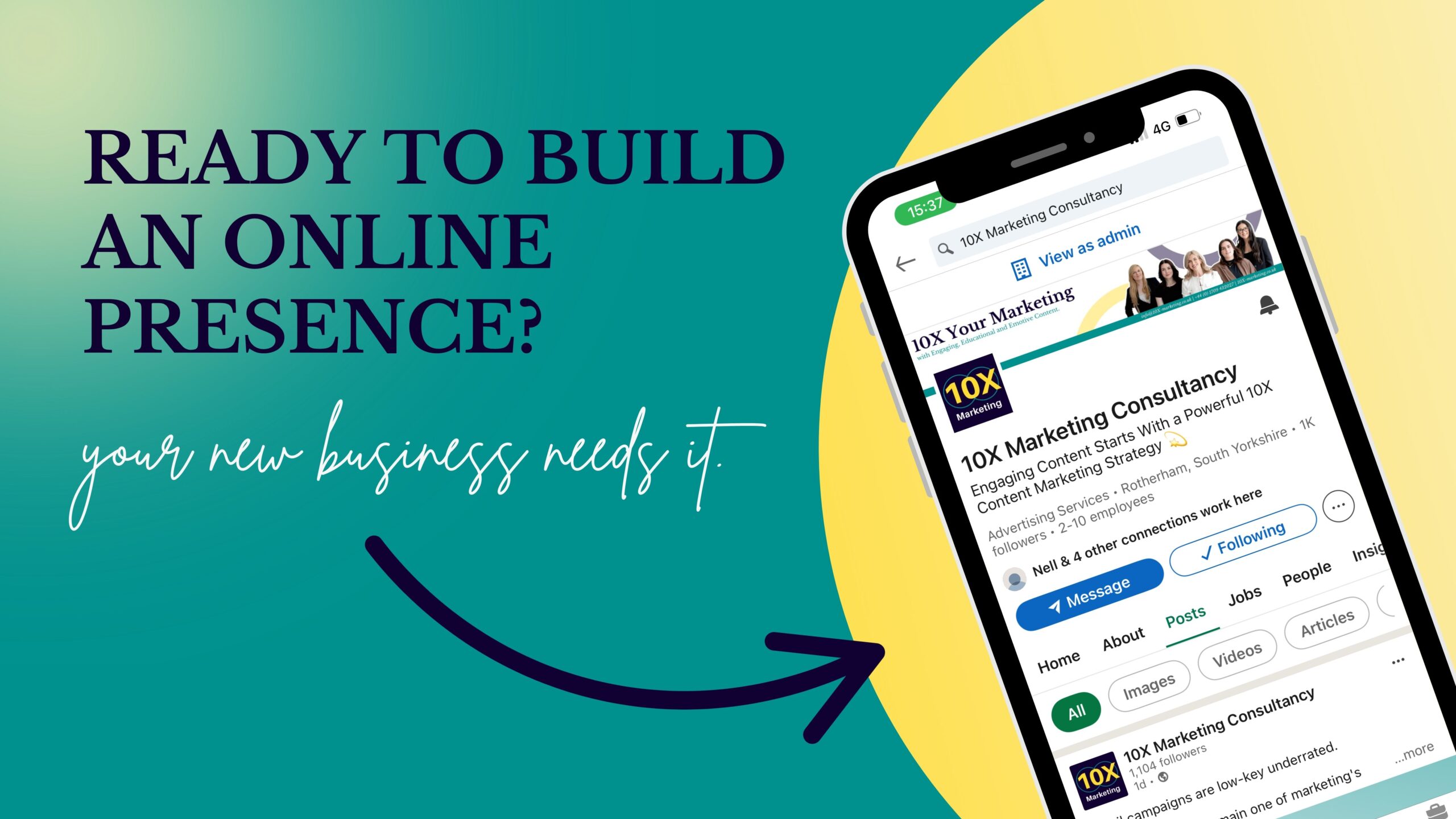
Your social media profiles are like your shop window. Make sure they look inviting and provide all the necessary information.
- Profile Picture & Cover Photo: Use clear and recognisable visuals that represent your brand.
- Bio: Write a compelling and informative bio that clearly explains what your business does and who it’s for. Include relevant keywords that people might search for and a clear call to action (your website link is crucial here!).
- Contact Information: Ensure all your contact details are accurate and up-to-date.
Leveraging Hashtags:
Hashtags are like signposts that help people discover your content. Research relevant industry and niche hashtags that your target audience is likely to be searching for. Use a mix of broad and more specific hashtags. Don’t overload your posts with too many hashtags – aim for quality over quantity (around 5-10 relevant hashtags is often a good starting point).
The Long Game of Organic Growth
Remember, building a strong organic presence on social media takes time and effort. It’s a marathon, not a sprint. Be patient, stay consistent with your efforts, and be prepared to continuously learn and adapt your strategies based on what’s working and what’s not.
Need a hand getting your social media off the ground? We can help you develop a winning strategy and create engaging content that gets you noticed. Get in touch today for a chat!