To boost conversions and grow your business, it’s time to stop thinking of selling your product or service as a cutthroat competition and instead start seeing it as an opportunity to help your audience.
The most successful sales strategies today are built on a simple concept: the customer comes first.
A strong sales strategy puts your target audience front and centre during every interaction, transforming the sales and marketing process from a relentless pursuit of a deal into an impactful, value-adding experience.
Depending on where in the customer journey your audience are, your marketing efforts should look slightly different. And discovering how to appeal to customers at different stages of this journey will be your secret to long-term success.
Why the customer journey matters
Your target audience haven’t just woken up and decided today’s the day to buy a new washing machine, hire an accountant, or renovate their garden. (Or whatever it is your business has to offer.)
All prospective buyers will follow a specific path to purchasing. It’s a process of building awareness, considering their options, and evaluating different solutions. In fact, buyers could be up to 70% through their purchasing process, before ever engaging with your business.
This means that if they’re ready to buy now, it’s likely taken them a good while to get there. And if they’ve only just identified a problem that needs fixing, it’ll be a while before they’re ready to commit to a solution.
It is by understanding this journey, and how to appeal to customers at its different stages, that you can better position your product, service, communications, and marketing efforts.
Learn how to say the right thing at the right time, and you significantly increase your chances of successful conversions.
But what does the customer journey actually look like?
It can be broken down into four distinct stages:
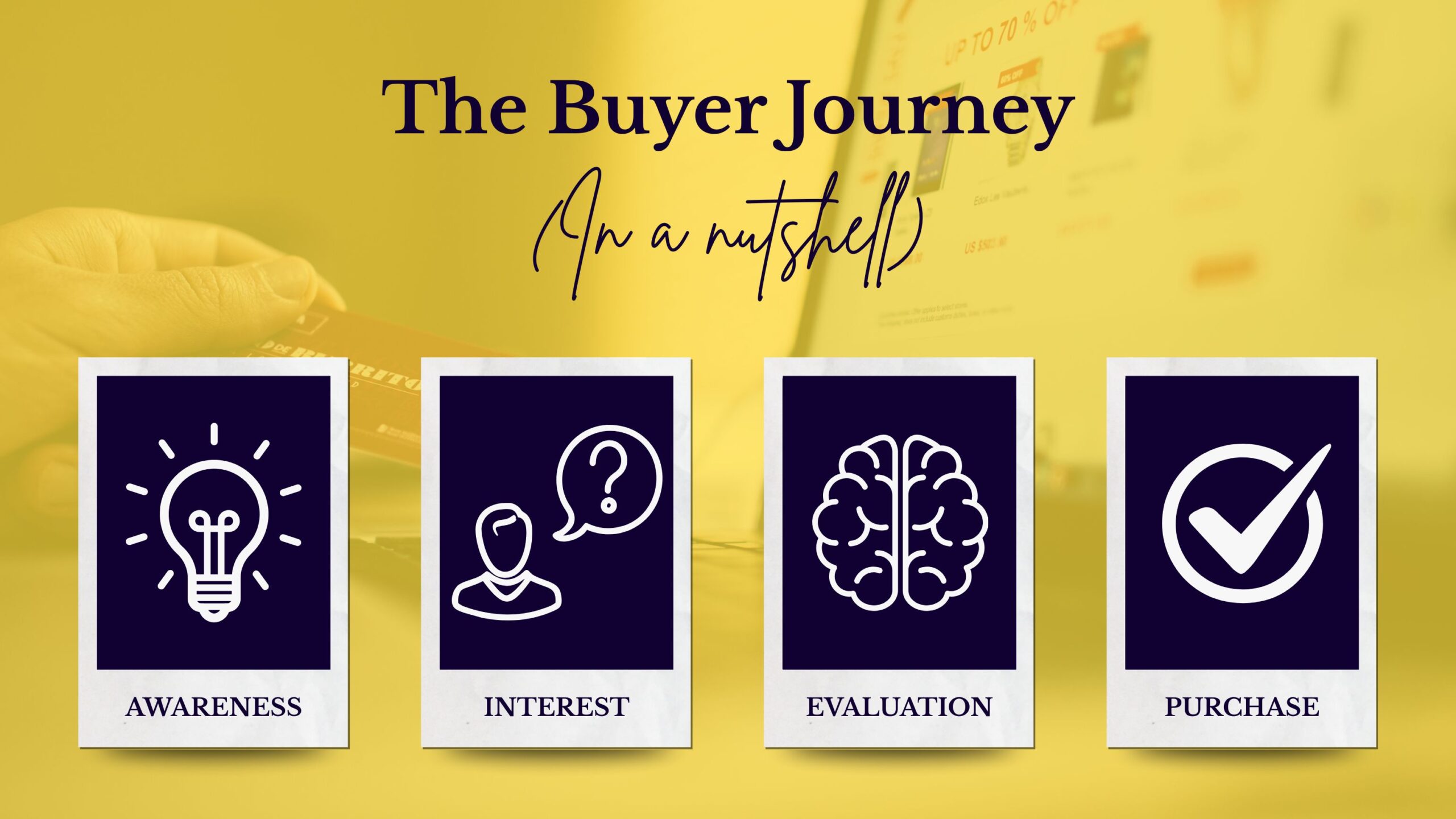
Awareness: Your audience realises they have a problem or need, but don’t know how to solve it yet.
Interest: They begin exploring potential solutions and products, educating themselves on what’s available.
Evaluation: After reviewing their options, they narrow these down to a few top contenders. They research deeper into the pros, cons, and benefits of each.
Purchase: Now they’re ready to pull the trigger and choose the solution best aligned with their needs and circumstances.
Now that you understand what each of these stages involves, it’s time to create content that resonates and gently encourages your audience towards the next.
Timing is everything
When it comes to producing effective sales and marketing content, your timing is everything. It’s about capturing the interest of the right people at the right time and landing a message that will have the greatest impact on their current awareness level.
During the awareness, interest, evaluation, and purchase stages, different messaging and communication methods will yield the greatest results.
Think of it this way: your target audience won’t want to be relentlessly prospected when they’re not even 100% sure they’ve got a problem yet. Neither will someone want to be drowned in educational blog posts on how to spot a problem, when they’re already crystal-clear about what their problem is.
With this in mind, here’s how to meet your audience at each stage of their buying journey:
The awareness stage
At this stage, your buyer is becoming aware of a challenge or problem they face. They’re in the process of deciding how urgent of a problem it is, and how high a priority it is for them to find a solution.
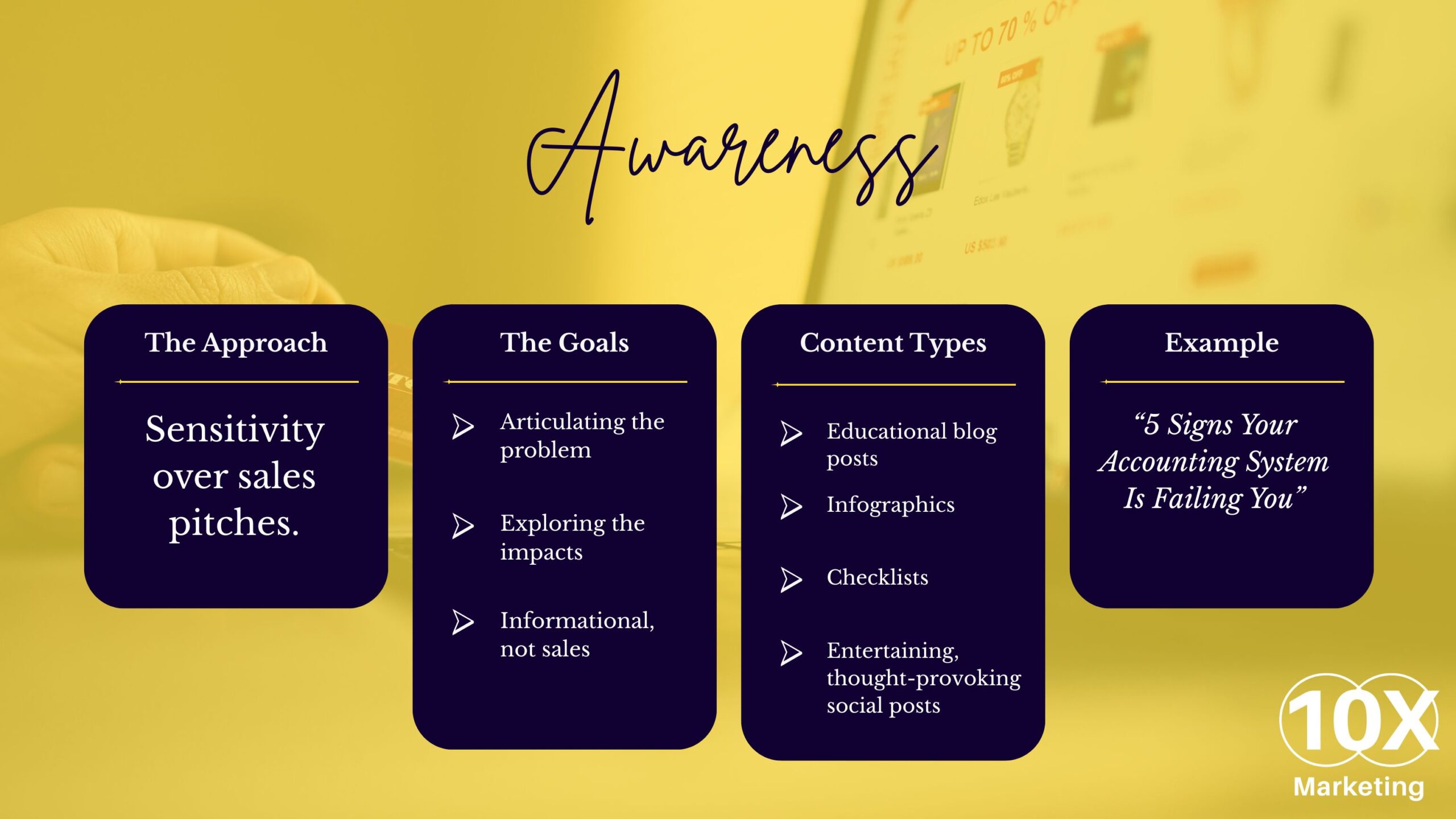
Once you’ve helped prospects recognise their problem and why it’s important to solve it, they’ll transition to actively seeking solutions. And this is where you shift from identifying problems to providing trusted advice.
The interest stage
Now that your potential buyer is aware of this problem, they’ll be looking to educate themselves on the different products or services available to help them.
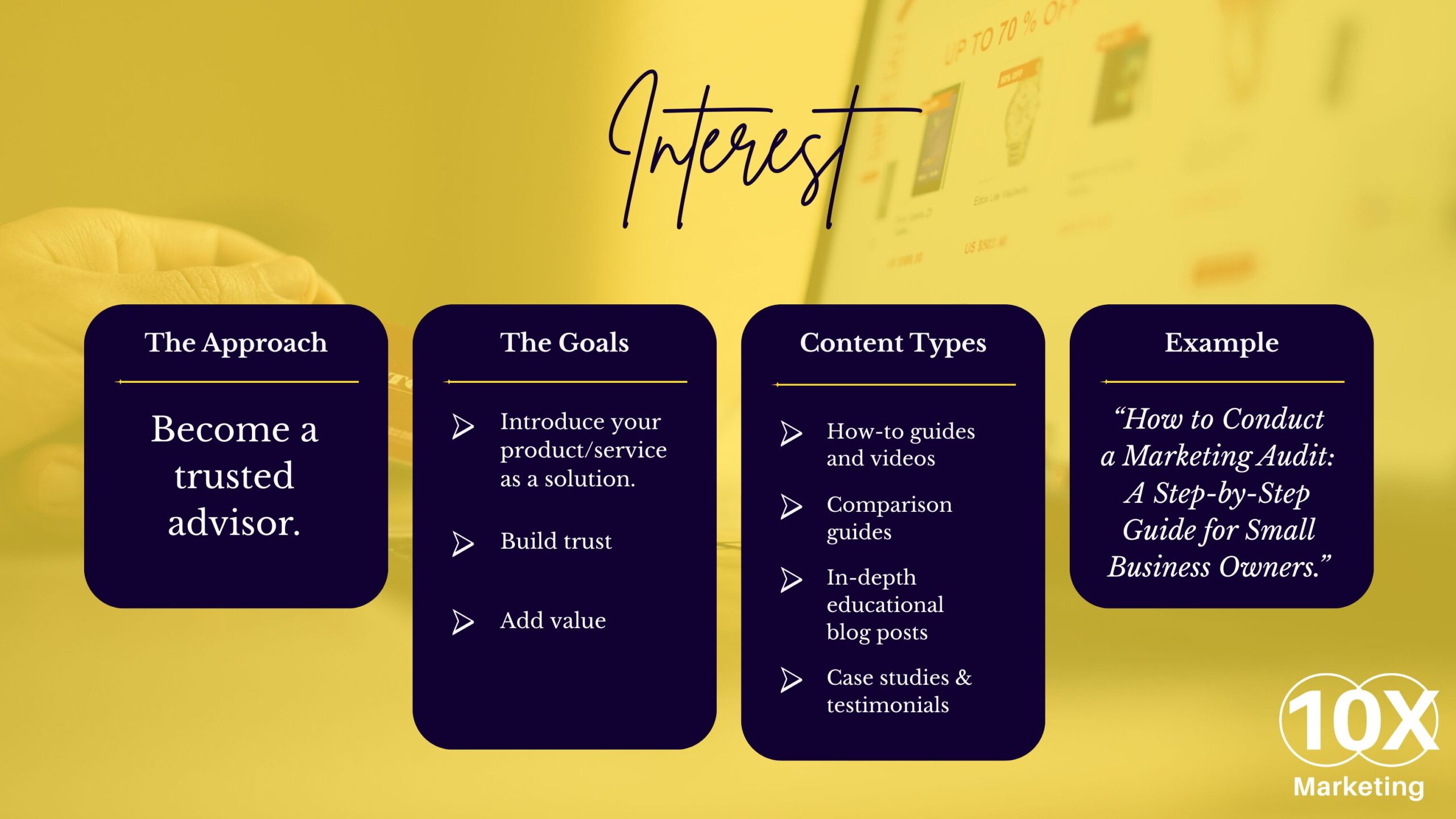
Now that your prospects are getting serious about their options, it’s time to introduce some focused comparison. It’s your opportunity to show (and prove!) your worth…
The evaluation stage
After narrowing down the world of solutions available to them, your audience will be diving deeper into the pros and cons of their top picks. At this stage, they want to easily compare their options and identify which adds the most value to their unique circumstances.
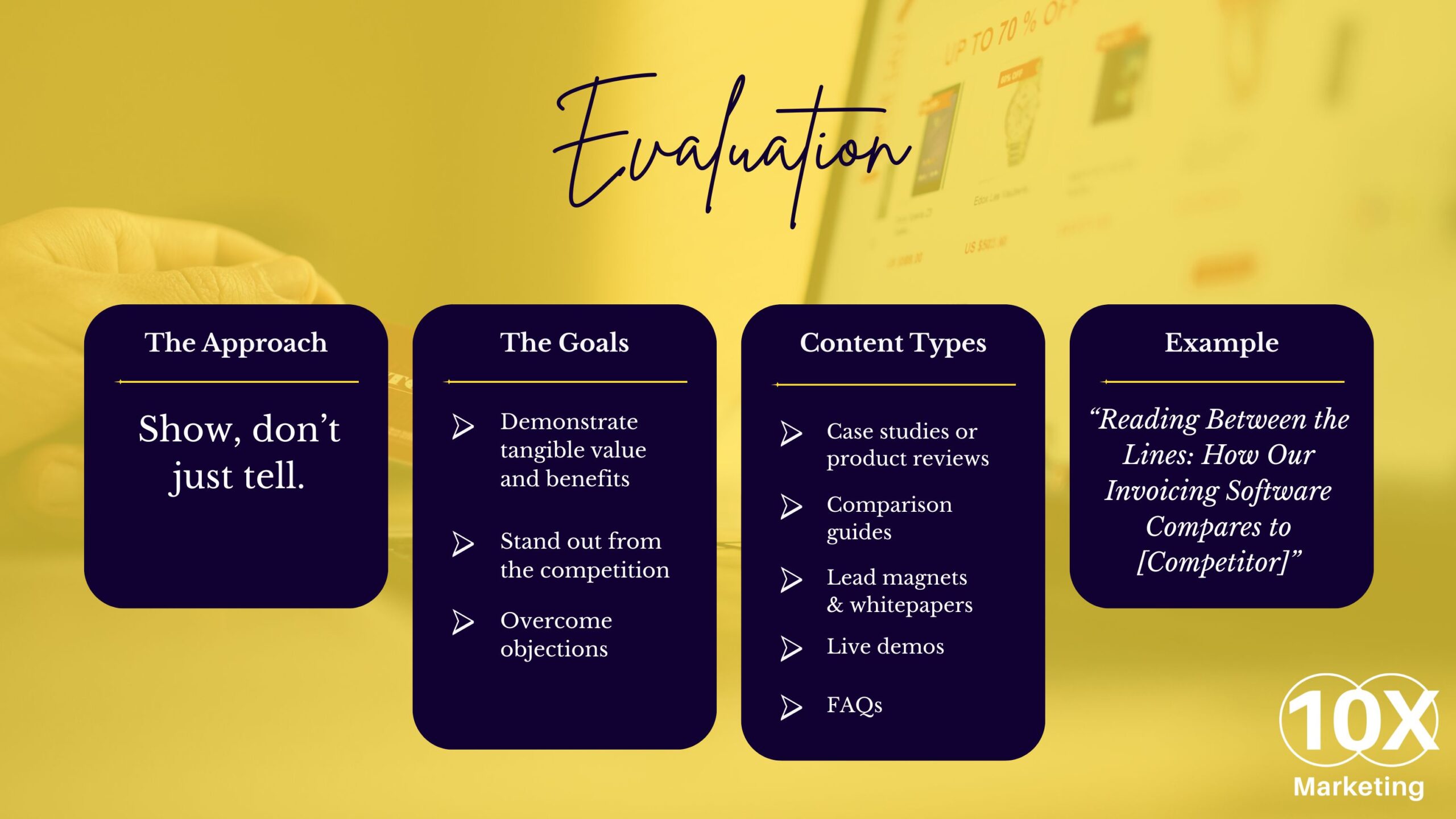
By the end of this stage, your prospects have made their choice. Congratulations on coming out on top! But the journey doesn’t end there. Now it’s time to convert their interest into actual sales.
The purchase stage
Now that you’ve reached the final hurdle, it’s about approaching your audience with confidence, clarity, and giving them peace of mind. It’s your job to remove any final objections they have to choosing you.
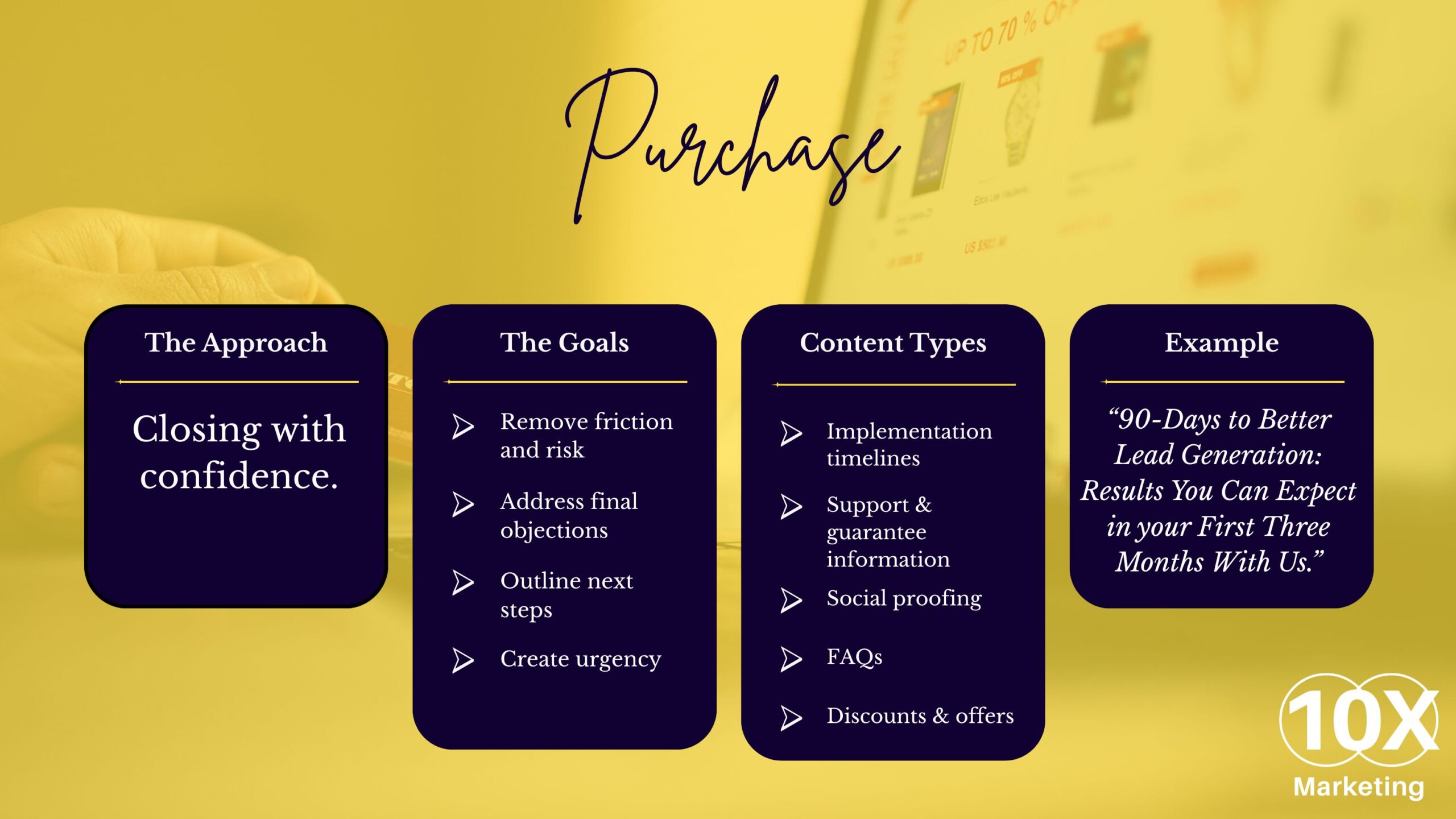
You’ve learnt the secret to success. Now it’s about putting all this information into an actionable strategy.
Audience-centred sales and communications
In a sea of products and providers, the best companies are those who fully understand and embrace their customers’ journeys, showing up with value at every step.
Increasing sales isn’t about pushing your prospects harder, it’s about meeting them where they’re at and guiding them naturally through the buying journey.
By better aligning your sales and marketing efforts with your customers’ buying journey, you can expect to see higher engagement, shorter sales cycles, and more conversions.
Why not start now?
At 10X Marketing, we work with businesses like yours to create long-term marketing strategies that yield real results. If you’re ready to take your business to the next level, and to start putting your audience in the driving seat, get in touch with us today.
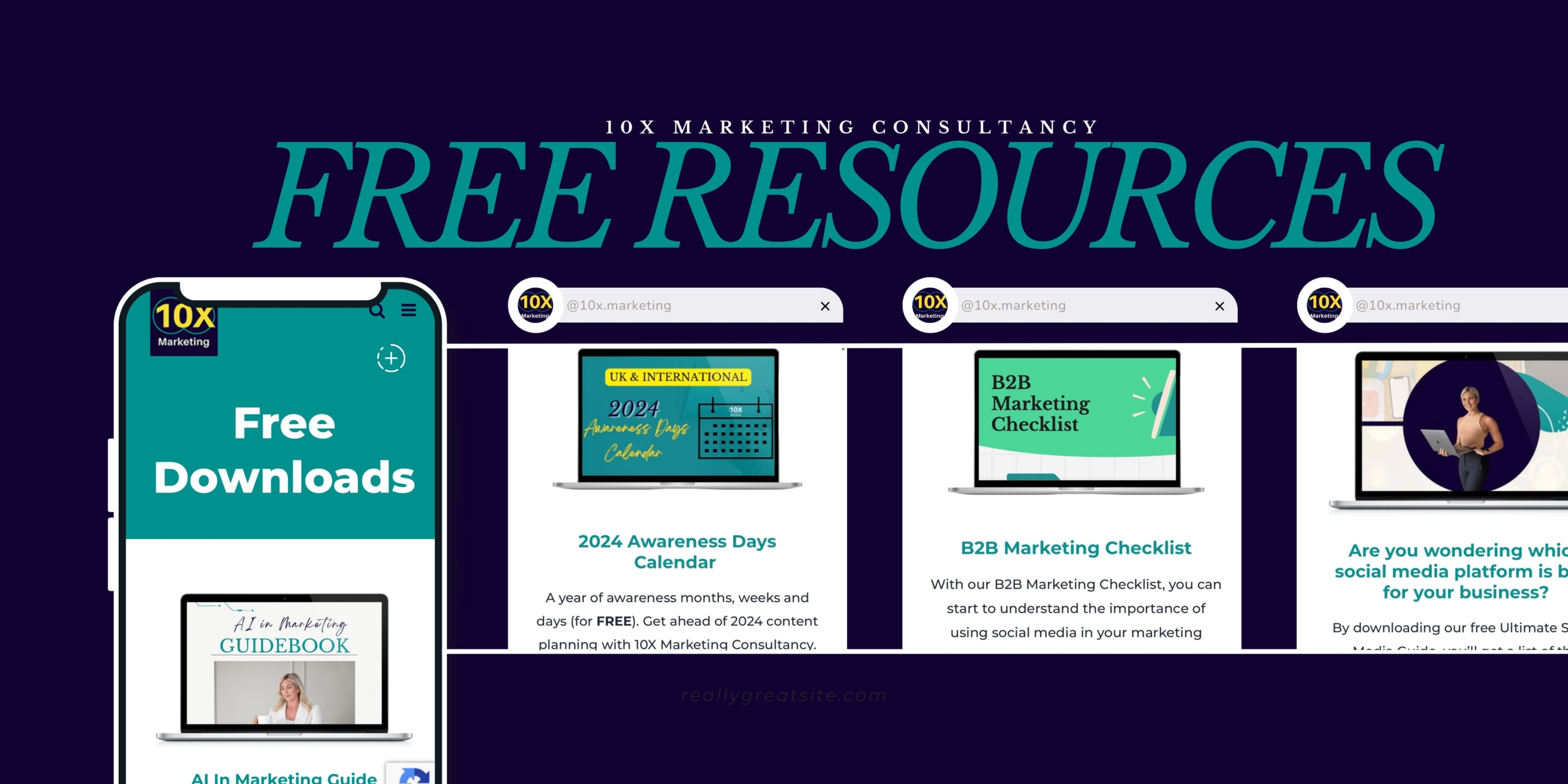
Want more support achieving your marketing goals? Browse our free resources: